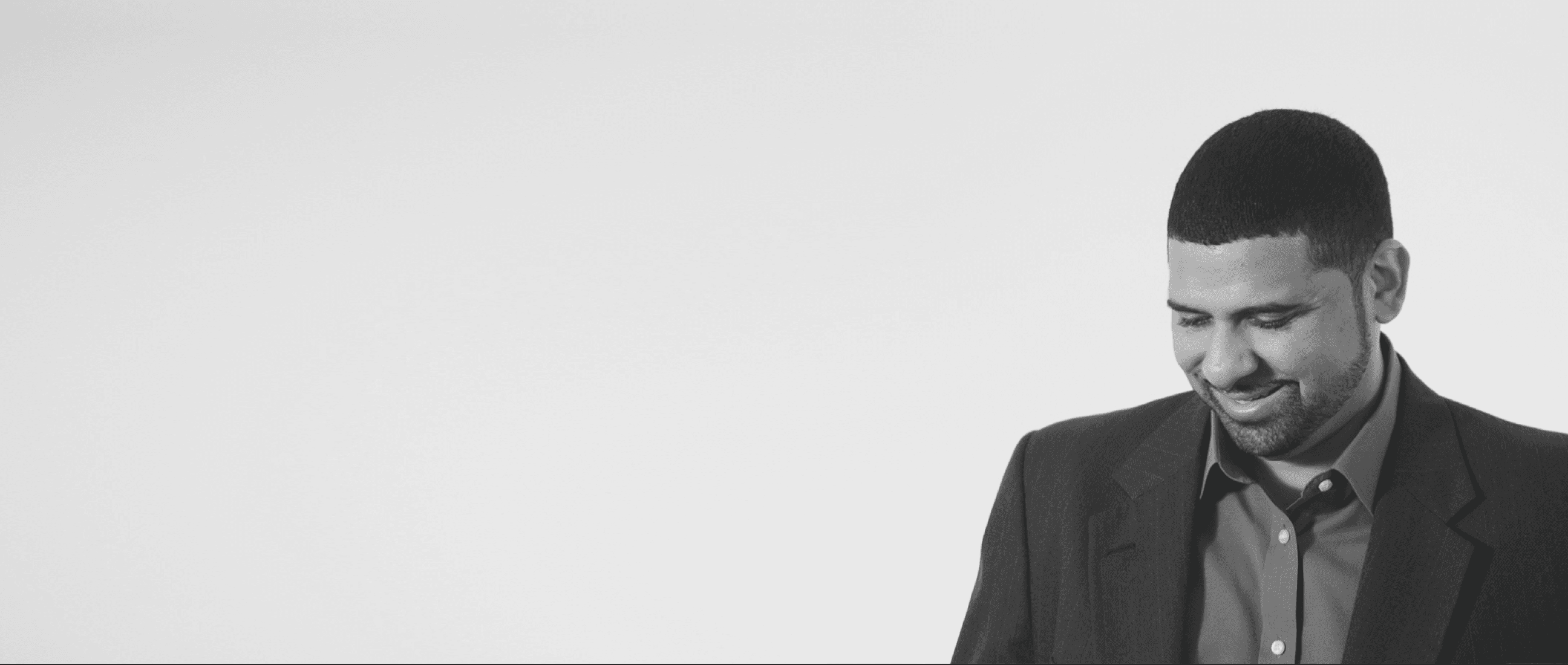
I work in the most regulated, high-stakes corners of software.
henry tavarez · new york · product designer · research, design systems, 0→1 · open to staff / principal / lead roles
Federal disease surveillance, healthcare identity and credentialing, enterprise reporting: not flashy consumer apps, but the invisible infrastructure that public health workers, compliance officers, and operations teams depend on to do their jobs well. That’s exactly what draws me in. I like the kind of design problem where the constraints are real, the stakes matter, and good enough isn’t good enough. The UI is maybe twenty percent of that job; the rest is understanding people, and lately, teaching machines to carry that understanding without flattening it.
The work
I led UX for CDW’s modernization of the CDC’s disease surveillance system, working with epidemiologists and public health teams across the country to make disease reporting faster and less painful. I’ve led design for CMS healthcare platforms, built and scaled design systems used across dozens of applications, and consulted for organizations like PwC, Total Wine, and AAMC on their most complex digital products.
The through-line is research, product thinking, and the design systems that hold them together. I’m comfortable in strategy and in the weeds, and I’d rather cut my own work than ship padding.
Design leadership
I built a UX practice from scratch at Arrow Digital, growing it from two people to a team of 15+ researchers, IAs, and designers, and helping shift an engineering-first culture into one where design earned a real seat at the table. That experience shaped how I think about design leadership: it’s not just about pixels, it’s about building the practices, trust, and shared language that let good work happen consistently. I manage by three rules. Clarify, help, follow up.
The way I work now
I build with AI in the loop, and I’m not conflicted about it. The bottleneck isn’t building anymore; it’s knowing what to say before hitting enter. Output without understanding is just a faster way to build the wrong thing, so the craft has shifted to where it always mattered: context going in, editing coming out, knowing what doesn’t need to exist. This portfolio and Tessera were both made that way, with me directing Claude Code as the engineering agent. The thinking and the craft stayed mine.
Right now
I’m building Tessera, a thinking layer that turns product thinking into structured context an AI builder can actually use. It’s in beta and free to try at tessera.app. I’m also open to the right room: staff or principal product design, UX lead, somewhere the bar for craft is high and the questions are hard.